

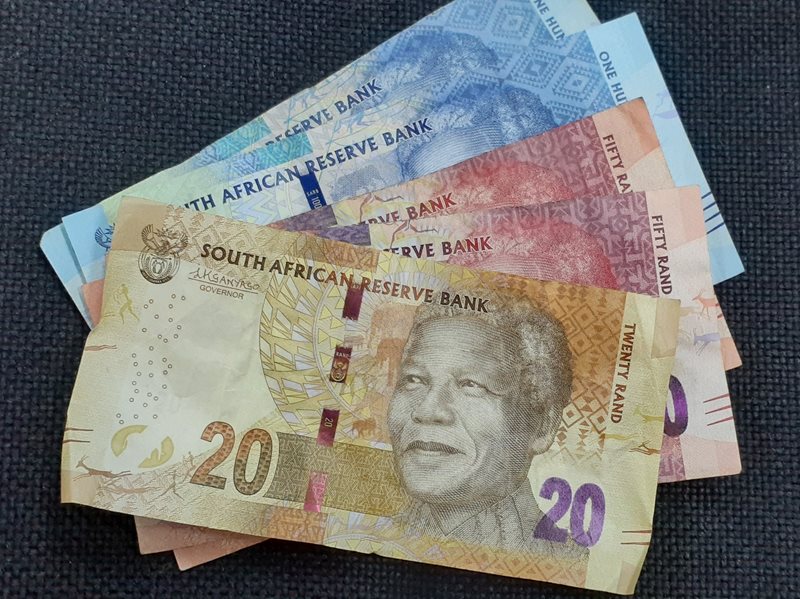
BUSINESS NEWS - The ZAR traded at R16.51 to the USD last week, capping off a 13% rally against the greenback over the past year.
In the same week, the Absa Purchasing Managers’ Index (PMI) shows a manufacturing sector in deep trouble, with the index declining by 1.5 points to 40.5 in December – its lowest level since the Covid shock in 2020.
An index below 50 signals a contraction in economic activity. Above 50, the economy is expanding.
There’s a clear disconnected between the ZAR-USD exchange rate and weak economic fundamentals at home. Lower inventories and a decline in the employment index were the main reasons for the PMI drop.
There seems little evidence that lower interest rates and declining inflation are showing up on the factory floor.
Minerals exports reported an exceptional year, primarily from rocketing precious metals prices. Elsewhere, it was a different story.
SA’s once mighty steel and chrome manufacturing sectors have been consigned to government’s frail care unit, with urgent plans to introduce reduced electricity tariffs to keep them afloat.
RThis is part of a package of measures intended to reverse the deindustrialisation of SA.
Other measures include a proposed new tax on chrome exports and a block exemption under the Competition Act to allow distressed industries to collaborate in areas such as infrastructure sharing and energy purchases, without violating anti-trust rules.
Despite recent improvements at Eskom and the Transnet rail network, the decades-long neglect at both these state-owned companies has stifled growth.
Global vs local factors
Kea Nonyana, market analyst at PrimeXBT, says the rand’s fundamentals are being driven far more by global factors than domestic fundamentals.
“A weaker dollar, improved risk appetite and South Africa’s still-attractive carry have supported the ZAR, even as local activity indicators like the Absa PMI point to a very weak real economy. It’s a reminder that the forex market is pricing global liquidity, not domestic growth and that disconnect won’t last forever.”
Shiven Moodley, macro strategist at financial advisory Novaque, says USD softness rather than strong fundamentals are behind the ZAR’s recent strength. The forward market shows that this trend might continue a little while longer, but over three to six months, rising risk premiums for locking in exchange rates at today’s prices are significantly higher.
“That suggests some nervousness over the sustainability of the ZAR’s rally.”
Factors playing out in the US are likely to have a fare bigger impact on the ZAR, adds Moodley.
“We have some employment data out from the US this week. This could be significant. There is a thing called the ‘Sahm Rule’ [a recession indicator developed by economist Claudia Sahm], which in economic theory explains that a recession generally follows if the three-month average unemployment rates rise more than half a per cent above the 12-month low.
“That narrative switch by markets, if recession fears creep in, would spur a risk-off tone, impacting ZAR gains,” says Moodley.
Read more on Caxton publication, The Citizen
‘We bring you the latest Garden Route, Hessequa, Karoo news’