


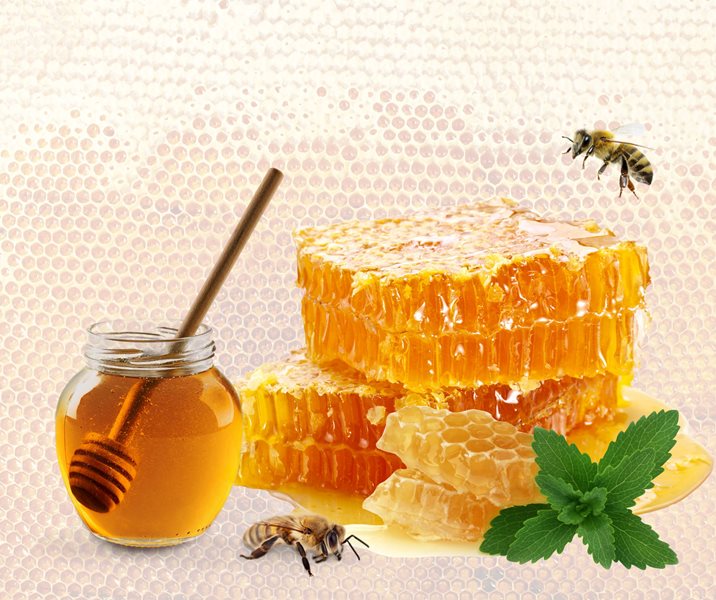
LIFESTYLE NEWS - We’ve all reached for the honey jar only to find the honey had crystallised … but don’t panic and definitely don’t throw it away. Here’s what you need to know about crystallised honey:
Honey naturally crystallises
Honey is what scientists call a supersaturated solution; it’s essentially natural sugars (fructose and glucose) and water, and there’s not enough water in honey to keep its natural sugars dissolved permanently.
In simple terms, the crystals are the natural sugars becoming ‘undissolved’ in the honey. While fructose tends to remain dissolved, glucose has a much lower solubility and so crystalises easier and faster.
It doesn’t mean it’s expired, as technically pure and properly preserved honey will not expire. In fact, honey is known to be one of the few foods that can last forever.
Where you store your honey matters
It is important to store honey at room temperature and out of direct sunlight. A pantry cupboard is a good place to keep honey.
Avoid storing honey in the refrigerator, as the lower temperatures will cause it to crystalise quickly. It is also important to avoid high temperatures that will degrade honey.
How to decrystalise honey without ruining it
- Set the honey container (ideally glass), uncapped, in a small heatproof bowl.
- Fill it with warm (not boiling) water to reach halfway up the container. Let sit for about 45 minutes, replacing with fresh warm water as needed.
- Once in a while, stir the honey to ensure that the honey in the entire container is heating. Use a clean, dry utensil to stir so you don’t introduce bacteria or moisture into the honey. Stop when the honey reaches the desired consistency.
Tip: Crystallised honey on toast is delicious! The crystals take a while longer to melt in your mouth, allowing you to enjoy all the flavours more intensely.
‘We bring you the latest Garden Route, Hessequa, Karoo news’