



ENVIRONMENTAL NEWS - The Western Cape is home to some of the world’s most unique biodiversity, but conservation efforts rely on responsible behaviour from everyone who enjoys these natural spaces.
CapeNature says activities that may appear harmless - such as entering Protected Areas without a valid permit, fishing without the required licence, leaving designated hiking trails, picking wildflowers, removing rocks or shells as souvenirs, or disturbing wildlife - can cause lasting damage to sensitive habitats.
CapeNature CEO Dr Ashley Naidoo said protecting nature requires a shared commitment from all visitors.
“Nature is not a souvenir to be taken home, a shortcut to be explored off-trail, or a playground without rules. The Western Cape’s biodiversity depends on the responsibility of all who visit Protected Areas.”
Dr Naidoo added that while individual biodiversity offences may seem insignificant, their combined impact can be substantial.
“By making responsible choices and respecting the regulations that protect our environment, every visitor can contribute to safeguarding our biodiversity.”
CapeNature strengthens biodiversity crime enforcement
CapeNature works alongside law enforcement agencies, conservation partners and local communities to combat biodiversity crime through enforcement, education and public awareness initiatives.
Between April and June 2026, CapeNature officials registered 10 biodiversity crime cases. Six involved flora, three involved fauna and one related to a marine species.
During the same period, CapeNature issued 48 fines for legislative contraventions.
Of these:
- 12 fines were issued for contraventions of the Marine Living Resources Act;
- three fines were issued for the illegal use of vehicles in the coastal zone; and
- 33 fines were issued for contraventions of the Nature Conservation Ordinance.
Of the 33 Nature Conservation Ordinance-related fines:
- 20 were issued for offences committed in nature reserves;
- seven involved offences relating to wild animals; and
- six involved offences relating to flora.
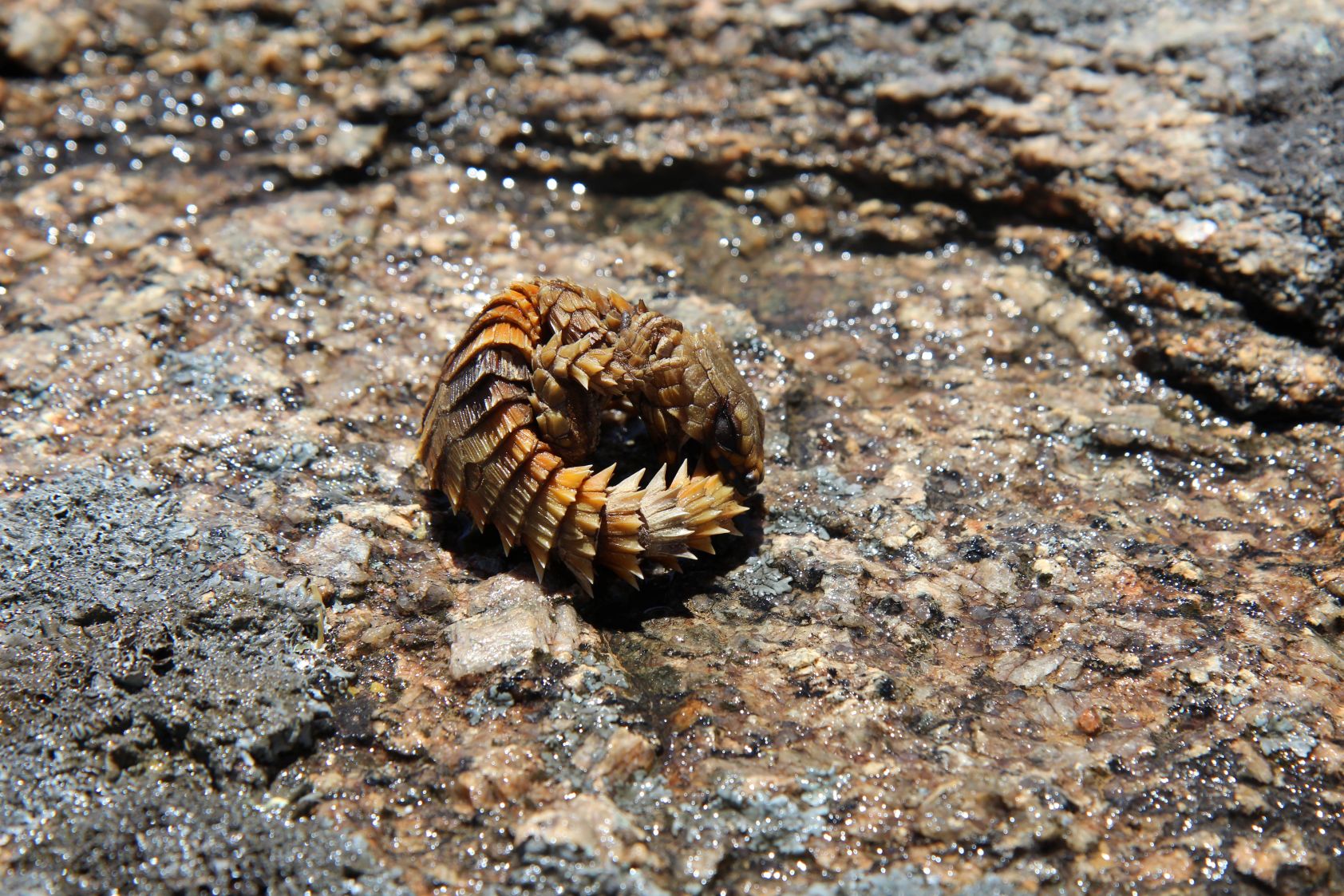 Example of Armadillo girdled lizard.
Illegal wildlife trade conviction highlights conservation risks
Earlier this year, CapeNature achieved a significant enforcement success when a Spanish national was convicted for the illegal possession and importation into the Western Cape of 22 armadillo girdled lizards and a speckled dwarf tortoise.
The joint investigation by CapeNature and the South African Police Service resulted in a R500 000 fine.
The confiscated animals were placed in an appropriate care facility. CapeNature warned that both species are highly sensitive to removal from the wild, and harvesting them for the illegal pet trade can place local populations at risk.
Visitors play a vital role in protecting nature
CapeNature is urging members of the public to help safeguard biodiversity by:
- purchasing the correct permits before entering Protected Areas or participating in regulated activities such as recreational fishing;
- remaining on designated hiking trails to prevent erosion and protect sensitive habitats;
- leaving plants, flowers, rocks, shells and other natural items where they belong;
- respecting catch limits and fishing regulations;
- avoiding disturbance to wildlife; and
- reporting suspicious or illegal activities in nature areas.
Information provided by the public can assist investigations and help ensure that offenders are held accountable.
Protecting the Western Cape’s natural heritage
CapeNature says every responsible action - from purchasing a permit and following trail rules to reporting suspicious activity - contributes to protecting the landscapes, species and ecosystems that make the Western Cape one of the world’s biodiversity hotspots.
Members of the public can report suspected biodiversity crime to their nearest police station, contact CapeNature on 087 087 9262, or call the Crime Stop Tip-Off Line on 08600 10 111.
‘We bring you the latest Garden Route, Hessequa, Karoo news’