


LIFESTYLE NEWS - In boardrooms, wellness reports, and HR strategies, mental health has rightfully taken centre stage.
But while companies are investing heavily in mindfulness apps and employee assistance programmes, one critical factor in mental wellness is often overlooked - dental health.
It might sound superficial, but research increasingly shows that the state of your teeth and gums is deeply intertwined with the state of your mind.
And for business leaders focused on performance, retention, and wellbeing, that connection could be the missing link in building resilient teams.
Poor oral health doesn’t just affect your breath, it actually affects your brain. Chronic gum disease triggers inflammation throughout the body, including the areas of the brain linked to mood regulation and cognitive function.
Scientists have found that the same inflammatory markers associated with gum disease are also linked to anxiety, depression, and burnout.
At the same time, those struggling with mental health often experience a decline in dental care. Depression can sap motivation to brush or floss and stress can lead to teeth grinding or jaw clenching.
Over time, this creates a feedback loop - mental distress leads to oral neglect, which worsens emotional wellbeing.
“The relationship between the mouth and the mind is bidirectional,” explains Dr Bekker. “When patients take better care of their oral health, we often see an improvement in their overall sense of control, confidence, and emotional stability.”
There’s also a social and psychological element at play. Confidence is an asset - especially in business, and a healthy smile has tangible effects on how we communicate, network, and lead.
Employees who feel self-conscious about their teeth often smile less, speak less in meetings, or avoid video calls altogether. That affects collaboration, presence, and even leadership visibility.
A recent UK study revealed that people who improved their dental aesthetics reported not just higher self-esteem but also greater workplace engagement and perceived professional competence.
For companies invested in personal development and leadership growth, this connection offers real-world ROI: confidence translates into communication, and communication into performance.
Forward-thinking organisations are starting to notice. While employee wellness programs once focused narrowly on gym memberships and therapy sessions, a growing number are taking a more holistic view.
Integrated wellness policies that link mental, dental, and physical health are becoming part of the global corporate wellness trend.
It’s a model South African employers could learn from, especially as burnout and absenteeism continue to rise. By viewing health through an interconnected lens, companies can improve not only morale but also measurable productivity.
The connection between dental care and mental wellness is a reminder that wellbeing in business is not compartmentalised.
A stressed mind affects the body, and an unhealthy body affects the mind, the two are inseparable.
For business leaders, the takeaway is simple but powerful: promoting holistic wellness isn’t just about empathy, it’s about strategy. Because when your people feel good - inside and out, they show up better, think clearer, and lead stronger.
In today’s world, a smile isn’t just personal. It’s professional capital.
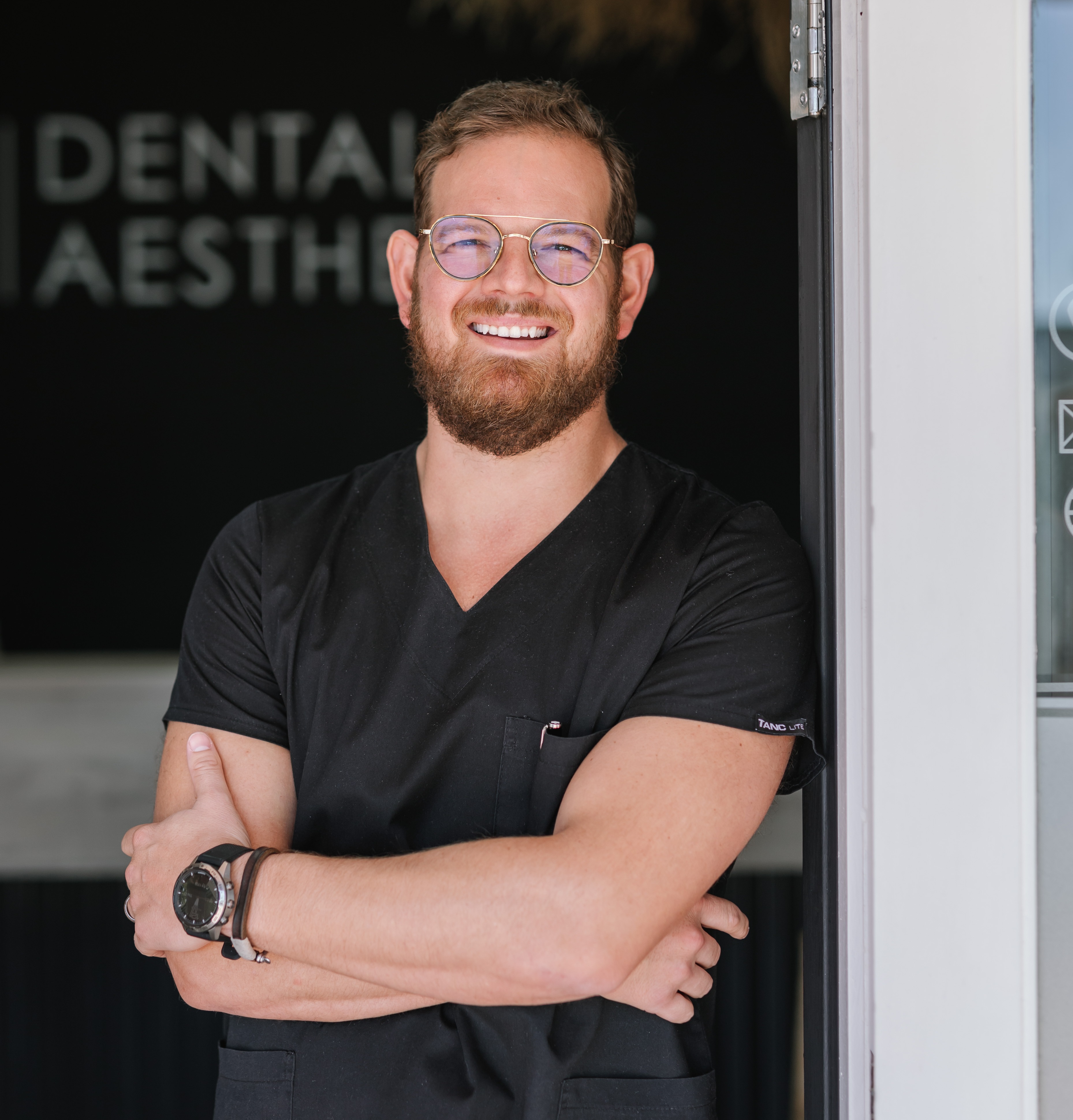 Dr Bekker
‘We bring you the latest Garden Route, Hessequa, Karoo news’