


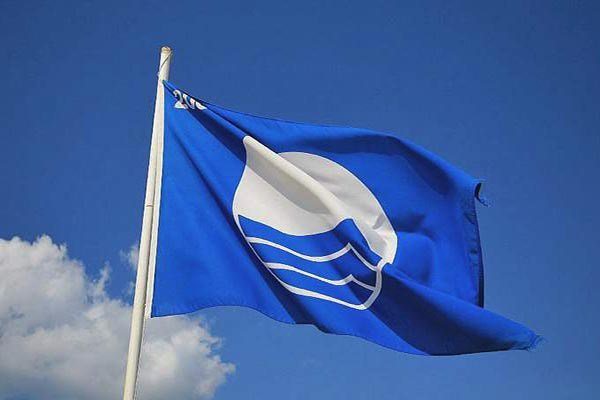
NATIONAL NEWS - The Wildlife and Environment Society of South Africa (WESSA) has launched a national consumer education drive to coincide with the start of the 2025/26 Blue Flag season, empowering beachgoers, coastal communities, and tourism partners with clear guidance on what the Blue Flag symbol represents, and why it matters.
Operating since 2001 and managed locally by WESSA, the Blue Flag programme is part of a global network spanning 51 countries and more than 5,200 accredited sites.
It remains one of the world’s most trusted voluntary eco-labels for beaches, marinas, and boats, awarded only to sites that meet rigorous criteria covering water quality, environmental management, education, safety, and accessibility.
“The Blue Flag is more than an award. It’s a public promise,” says Cindy-Lee Cloete, CEO of WESSA.
“It tells every visitor that the beach, marina, or boat displaying it is operating at the highest international standards. Our education campaign ensures that communities understand what goes into earning the flag and what responsible coastal use looks like.”
What the public should know about Blue Flag beaches
Blue Flag applies only during the official season
During the Blue Flag season, accredited sites must comply fully with all international criteria. Outside of the designated season, which aligns with peak summer months, WESSA cannot hold municipalities and operators to Blue Flag requirements.
“Visitors often believe a Blue Flag beach remains under Blue Flag obligations all year,” notes Mike Denison, WESSA Senior Coastal Programme Manager. “The season ensures resources, lifeguards, testing schedules, and management systems are fully operational when demand is highest. However, for marinas and tourism boats, the season typically runs all year.”
Water quality: how safety is protected
Water quality at Blue Flag beaches is tested by independent, accredited laboratories following a strict sampling schedule. Tests cover E. coli and Enterococci, with clearly defined limits for each. New beaches must submit a minimum of 20 samples before qualifying; once awarded, beaches must sample at least five times per season; and also at least within 30 days.
Most of the beaches where the seasons are shorter are tested at least every two weeks.
If results fall outside the required parameters, the Blue Flag is immediately lowered, and the water retested until satisfactory results are recorded. If this takes longer than 10 days, the beach loses its Blue Flag status for the rest of its season.
“These requirements protect public health and maintain the credibility of the programme,” says Denison. “It is a zero-compromise approach.”
Are Blue Flag beaches safe for swimming?
Yes, but safety is a shared responsibility. During the official season, Blue Flag beaches must provide:
- Qualified lifeguards on duty
- Clearly marked swimming zones
- Clean and maintained ablutions
- Safety signage and emergency plans
- Regular water quality reporting
WESSA encourages all visitors to follow lifeguard instructions, swim between the flags, and respect safety notices.
Working for more inclusive coastal experiences
WESSA is strengthening inclusivity across Blue Flag sites by prioritising Criteria 33, which focuses on Universal Design and Access. Municipalities must have one “access beach” as part of their Blue Flag sites. These municipalities are being supported to improve practical accessibility features with appropriate ramps, pathways, signage, beach mobility options, and infrastructure. Over the next two seasons, beaches are required to produce short demonstration videos to showcase real accessibility on the ground and manage visitor expectations. The access beaches are clearly marked on the WESSA interactive map available via the website. This focus ensures that Blue Flag beaches, boats, and marinas are strengthening their appeal across the diversity of visitor groups.
Dogs on beaches: Maintaining hygiene and safety during the Blue Flag season
Blue Flag beaches are not dog-friendly during the Blue Flag season and during designated operating hours, which generally align with the beach’s lifeguard hours. This temporary restriction helps maintain the high standards of cleanliness, water quality, visitor safety, and environmental management required by the Blue Flag programme.
Outside of these times or in certain municipally approved designated areas, dogs may be permitted on a leash. WESSA encourages all visitors to check local signage or consult the beach operator for site-specific guidelines to ensure full compliance.
Why some beaches do not receive Blue Flag status
Blue Flag is a voluntary accreditation. If a site is not awarded the flag, it is generally because: 1) No application was submitted, or 2) Criteria were not met, often related to water quality, safety services, accessibility, or environmental education requirements.
This ensures that the Blue Flag symbol remains globally credible and consistently applied.
Blue Flag Pilot Beaches: Paving the way for full accreditation
Pilot Beaches are sites working towards full Blue Flag status. They operate under the same principles but have two seasons to improve operations, strengthen environmental management, and build capacity before applying for full accreditation.
“This pathway creates a supportive, developmental approach,” says Denison. “It helps municipalities upgrade their coastal management systems and eventually join the global network of top-tier beaches.”
How the public can assist Blue Flag teams
Beachgoers are encouraged to report any issues that appear inconsistent with Blue Flag standards to the beach manager, whose contact details are provided on each Blue Flag beach notice board. The public can also contact WESSA, who requests a photo of the issue along with the beach name, date, and time, sent directly to [email protected].
“Community reporting helps us uphold transparency and rapid response,” Denison adds. “It’s a collaborative model of coastal stewardship.”
Blue Flag’s contribution to local tourism and communities
South Africa’s Blue Flag sites strengthen tourism economies, support job creation, and boost municipal service delivery. The programme attracts domestic and international visitors seeking clean, safe, and environmentally responsible coastal experiences.
“Our Blue Flag sites prove that South Africa can meet and exceed world-class coastal management standards,” says Denison. “This recognition drives tourism, protects ecosystems, and builds coastal resilience.”
This national consumer education drive runs parallel to the municipal announcements celebrating this year’s accredited beaches, marinas, and tourism boats.
To find a Blue Flag beach near you
WESSA’s interactive map is updated throughout the season and lists all accredited beaches, marinas, and boats across South Africa. Visit: www.wessa.org.za/blue-flag/
‘We bring you the latest Garden Route, Hessequa, Karoo news’